And
The word "and" is one of the most common words in the English language. It is used to connect two or more words, phrases, or clauses. It can be used to add information, to show contrast, or to emphasize a point.
In this blog post, we will explore the different ways that the word "and" can be used. We will also look at some of the interesting history and trivia surrounding this versatile word.
Main Content
- Using "and" to Add Information
The most common way to use the word "and" is to add information. For example, we might say "I like dogs and cats." In this sentence, the word "and" is used to connect the two nouns "dogs" and "cats." This tells us that the speaker likes both dogs and cats.
We can also use "and" to add information to a verb. For example, we might say "I went to the store and bought some milk." In this sentence, the word "and" is used to connect the two verbs "went" and "bought." This tells us that the speaker went to the store and then bought some milk.
- Using "and" to Show Contrast
The word "and" can also be used to show contrast. For example, we might say "I like dogs, but I don't like cats." In this sentence, the word "and" is used to contrast the two nouns "dogs" and "cats." This tells us that the speaker likes dogs, but does not like cats.
We can also use "and" to show contrast between two verbs. For example, we might say "I went to the store and bought some milk, but I forgot to buy eggs." In this sentence, the word "and" is used to contrast the two verbs "went" and "forgot." This tells us that the speaker went to the store and bought some milk, but forgot to buy eggs.
- Using "and" to Emphasize a Point
The word "and" can also be used to emphasize a point. For example, we might say "I really like dogs and cats." In this sentence, the word "and" is used to emphasize the speaker's love of dogs and cats. This tells us that the speaker really likes dogs and cats, and that this is an important point to them.
We can also use "and" to emphasize a point by repeating it. For example, we might say "I like dogs and cats, and I like them a lot." In this sentence, the word "and" is used to emphasize the speaker's love of dogs and cats. This tells us that the speaker really likes dogs and cats, and that this is a point that they want to make clear.
Conclusion
The word "and" is a versatile word that can be used in a variety of ways. It can be used to add information, to show contrast, or to emphasize a point. By understanding the different ways that "and" can be used, we can use it more effectively in our own writing and speech.
Hydrangeas are beautiful flowering shrubs that are known for their large, showy blooms. They come in a variety of colors, including blue, pink, white, and purple. Hydrangeas are relatively easy to care for and can be grown in most climates.
If you are interested in learning more about hydrangeas, I suggest visiting . This website has a wealth of information on hydrangeas, including:
- Different types of hydrangeas
- How to plant and care for hydrangeas
- How to change the color of hydrangea flowers
- Hydrangea symbolism and history
I also recommend visiting the website of the American Hydrangea Society. This website has a forum where you can ask questions and get advice from other hydrangea enthusiasts.
FAQ of hydrangea flower plant
Here are the 5 most frequently asked questions about hydrangea flower plants, along with valuable insights and solutions:
- What are hydrangeas known for?
Hydrangeas are known for their large, beautiful blooms that come in a variety of colors, including blue, pink, purple, and white. They are popular both as cut flowers and plants for the garden. Hydrangeas can grow in a variety of conditions, but they prefer part sun and part shade. They are also relatively easy to care for, making them a good choice for beginner gardeners.
- What are the basics of hydrangea care?
The basic care requirements for hydrangeas are as follows:
- Plant hydrangeas in a location that receives part sun and part shade.
- Water hydrangeas deeply and regularly, especially during hot, dry weather.
- Fertilize hydrangeas with a balanced fertilizer in the spring and summer.
- Prune hydrangeas in the late winter or early spring.
- Why are my hydrangeas not blooming?
There are a few reasons why hydrangeas might not be blooming. Some possible reasons include:
- The plant is not getting enough sunlight.
- The plant is not getting enough water.
- The plant is not being fertilized properly.
- The plant is too young to bloom.
- The plant is in a pot that is too small.
If you are unsure why your hydrangeas are not blooming, it is best to consult with a gardening expert.
- How do I change the color of my hydrangeas?
The color of hydrangea blooms can be affected by the acidity of the soil. In acidic soil, hydrangeas will bloom blue. In alkaline soil, hydrangeas will bloom pink. You can change the color of your hydrangeas by adding aluminum sulfate to acidic soil or lime to alkaline soil.
- How do I overwinter hydrangeas?
If you live in an area with cold winters, you will need to overwinter your hydrangeas. To do this, cut the plant back to about 6 inches tall in the fall. Then, mulch the plant with a layer of organic matter, such as leaves or straw. This will help to protect the roots from the cold. In the spring, when the weather warms up, you can remove the mulch and let the plant grow back.
Image of hydrangea flower plant
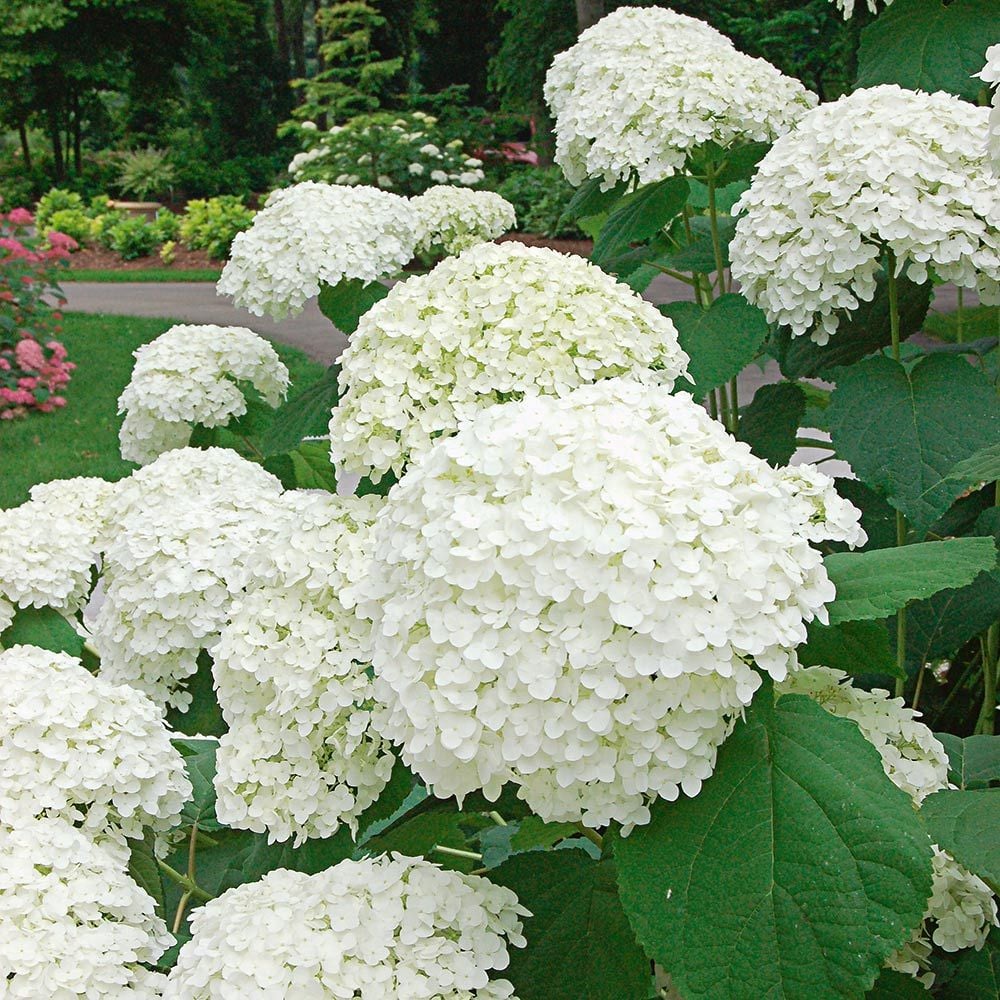
- A white hydrangea flower plant in full bloom. The flowers are large and round, with a slightly ruffled edge. They are arranged in a cascading cluster, and the plant is covered in blooms.
- A pink hydrangea flower plant in full bloom. The flowers are smaller than the white hydrangea, but they are just as beautiful. They are a deep pink color, with a slightly darker center. The plant is covered in blooms, and the flowers look like they are floating in the air.

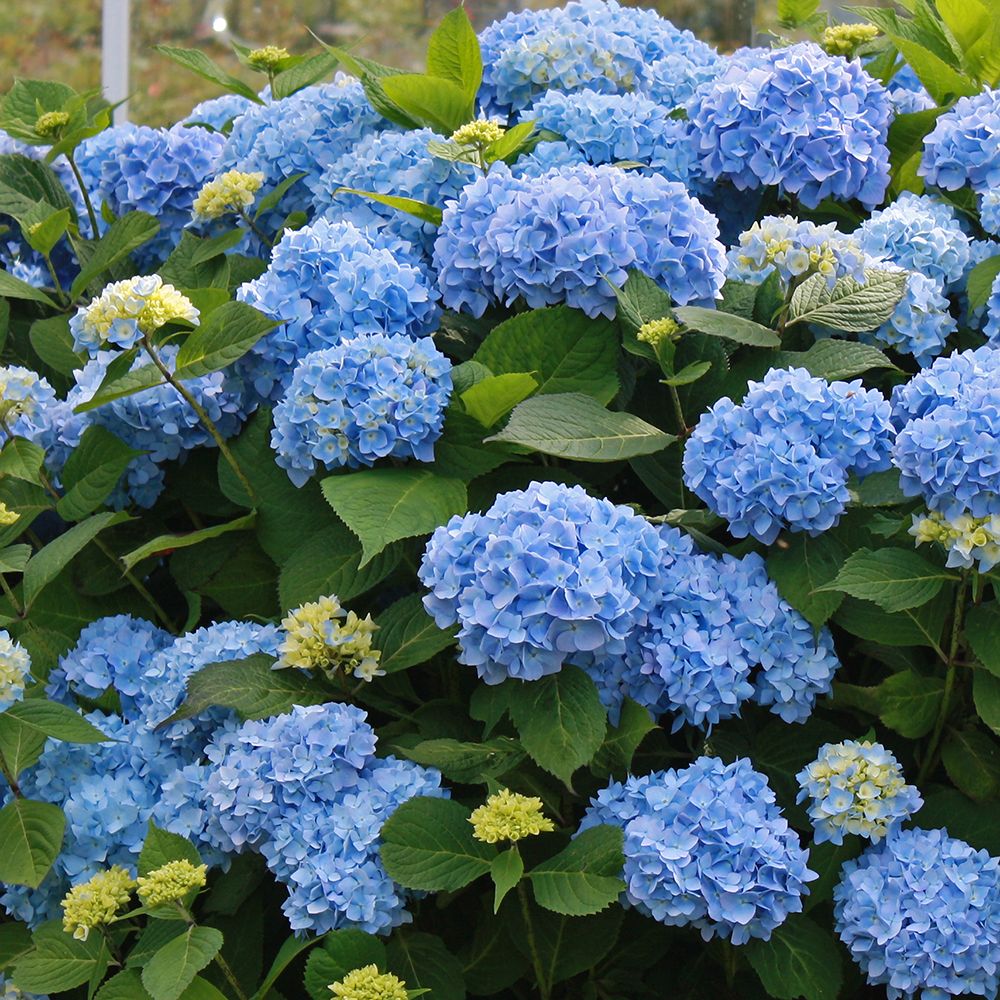
- A blue hydrangea flower plant in full bloom. The flowers are a light blue color, with a slightly darker center. They are arranged in a large cluster, and the plant is covered in blooms. The blue color of the flowers is very vibrant, and they make a beautiful statement in the garden.
- A mophead hydrangea flower plant in full bloom. The flowers are large and round, with a slightly ruffled edge. They are arranged in a large cluster, and the plant is covered in blooms. The mophead hydrangea is a popular variety of hydrangea, and it is known for its large, showy flowers.
- A lacecap hydrangea flower plant in full bloom. The flowers are smaller than the mophead hydrangea, but they are just as beautiful. They have a lace-like appearance, with a slightly darker center. The lacecap hydrangea is a less common variety of hydrangea, but it is known for its delicate flowers.

Post a Comment for "And"